



Temporary residence card in Poland: who can apply and what to know before starting
For many foreigners, moving to Poland starts with a visa, visa-free entry, temporary protection, studies, or employment. But if the plan is to stay in the country for a longer period, a temporary residence permit often becomes the next important step.
A temporary residence card allows a foreigner to confirm their legal status in Poland and remain in the country for a specific purpose and period of time.
However, the process is not as simple as submitting one application. The legal basis, supporting documents, employment situation, income, insurance, and even changes after filing can all affect the final decision.
What Is a Temporary Residence Card?
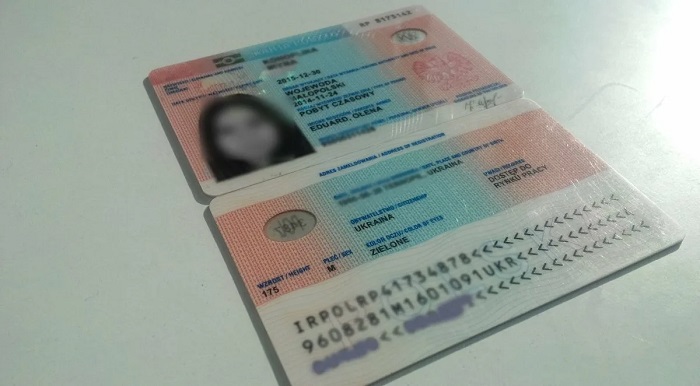
A temporary residence card is a document issued to a foreigner who has received a temporary residence permit in Poland.
The permit itself is the legal decision that allows the person to stay in Poland for a certain period.
The physical card confirms that status and usually includes basic personal information.
Foreigners often use the term “residence card” for the whole process, but technically there is a difference between:
- the residence permit;
- the administrative decision;
- the physical residence card.
Understanding this distinction is useful because the card is issued only after a positive decision.
Who Can Apply for Temporary Residence in Poland?
A temporary residence permit can be granted for different reasons.
The most common include:
- employment;
- highly qualified employment;
- business activity;
- studies;
- family reunification;
- marriage;
- research;
- other legally recognized purposes.
The correct basis depends on the applicant’s real situation.
A person who works in Poland should not automatically apply on the same basis as a student, entrepreneur, or spouse of a Polish citizen.
Temporary Residence Based on Employment
Employment is one of the most common reasons foreigners apply for temporary residence.
In this case, the authorities may examine:
- employment contract;
- employer details;
- salary;
- working hours;
- job position;
- place of work;
- legal conditions of employment.
The documents must reflect the actual employment situation.
If the employer, position, salary, or type of work changes, this may affect the residence case.
Why the Correct Legal Basis Matters
Choosing the wrong legal basis can create unnecessary problems.
For example, a person may submit documents for a standard work-based permit even though their situation would be better suited to a Blue Card.
Another applicant may apply through employment even though family reunification offers a more stable route.
Before submitting an application, it is worth reviewing all available options.
A detailed overview of the temporary residence card in Poland can help applicants understand the main requirements, possible legal grounds, and the structure of the process before filing.
Temporary Residence for Highly Qualified Professionals
Foreign specialists with advanced qualifications may be eligible for an EU Blue Card.
This route is intended for highly qualified employment and may apply to professionals in areas such as:
- IT;
- engineering;
- finance;
- technology;
- scientific research;
- management;
- other skilled professions.
Compared with a standard employment-based residence permit, the Blue Card has additional requirements related to qualifications and salary.
Temporary Residence Through Business Activity
Running a business in Poland can also become a legal basis for residence.
However, registering a company or sole proprietorship is usually not enough on its own.
The authorities may examine whether the business is genuine and active.
Relevant evidence may include:
- invoices;
- contracts;
- revenue;
- tax documents;
- business plans;
- financial records;
- employment created by the company.
The key issue is proving that the business is real and economically viable.
Residence Based on Studies
Foreign students may apply for temporary residence based on education.
The applicant normally needs to prove that they are genuinely enrolled in a qualifying educational institution.
The authorities may also require documents related to:
- tuition;
- financial means;
- accommodation;
- health insurance;
- duration of studies.
Student residence has different rules from employment-based residence.
This can later matter when calculating periods of stay for long-term residence.
Family Reunification
Family reasons are another common basis for temporary residence.
This may apply when the applicant has a spouse, parent, child, or another qualifying family member who legally lives in Poland.
The required documents may include:
- marriage certificate;
- birth certificate;
- proof of family relationship;
- documents confirming the legal status of the family member;
- proof of accommodation;
- income documents;
- insurance.
The exact requirements depend on the relationship and the status of the family member already living in Poland.
Residence Through Marriage
Marriage can also create a basis for temporary residence.
This may concern:
- marriage to a Polish citizen;
- marriage to an EU citizen;
- marriage to another foreigner legally residing in Poland.
However, marriage alone does not automatically result in a residence permit.
The authorities may verify whether the relationship is genuine.
In some cases, the couple may be asked to provide additional evidence or attend an interview.
What Documents Are Usually Required?
The exact list depends on the legal basis.
Typical documents may include:
- valid passport;
- application form;
- photographs;
- proof of legal stay;
- employment contract;
- employer documents;
- proof of income;
- health insurance;
- accommodation documents;
- family documents;
- study confirmation;
- business documents;
- other supporting evidence.
Incomplete documentation is one of the most common reasons residence procedures become longer.
Foreign Documents and Translations
Documents issued outside Poland may need to be translated into Polish.
In many cases, a sworn translation is required.
Some foreign documents may also need:
- apostille;
- legalization;
- certified copies;
- additional confirmation of authenticity.
It is better to check these requirements before submitting the application rather than after receiving a request for additional documents.
Where Is the Application Submitted?
Applications are generally handled by the competent voivodeship office based on the applicant’s place of residence.
This means that foreigners living in different regions of Poland may deal with different offices.
For example, procedures may be handled by offices in regions such as:
- Mazowieckie;
- Dolnośląskie;
- Małopolskie;
- Wielkopolskie;
- Śląskie;
- Łódzkie;
- Opolskie.
Local administrative practice can differ, even though the general legal framework is national.
When Should the Application Be Submitted?
The application should generally be filed while the applicant’s stay in Poland is still legal.
Waiting until the last moment is risky.
Problems may appear if:
- documents are incomplete;
- the application contains errors;
- the employer has not prepared the necessary forms;
- foreign documents require translation;
- the applicant’s legal status is about to expire.
Preparing early gives more time to correct problems before filing.
What Happens After Submission?
After the application is filed, the authorities review the case.
They may request:
- missing documents;
- additional information;
- updated employment documents;
- clarification of the legal basis;
- new income evidence;
- confirmation of accommodation;
- fingerprints or personal appearance.
Responding to official correspondence on time is extremely important.
Ignoring a request from the authority can lead to serious problems with the application.
How Long Does the Process Take?
Processing times can vary significantly.
A case may take longer because of:
- high workload at the office;
- incomplete documents;
- employer verification;
- changes in employment;
- missing translations;
- additional security checks;
- complex family or business situations.
Even a well-prepared application may take time.
Still, complete and consistent documents reduce the risk of unnecessary delays.
Can You Work While Waiting for a Decision?
This depends on the applicant’s situation.
Legal stay during the procedure and the right to work are two separate issues.
In some cases, the applicant may remain legally in Poland while waiting for a decision but still need a separate legal basis for employment.
This is especially important when changing employers.
Foreigners should never assume that submitting a residence application automatically legalizes every form of employment.
What If the Employer Changes?
Changing employers can significantly affect an employment-based residence case.
Depending on the type of permit and stage of the procedure, the applicant may need to:
- inform the authority;
- submit new employment documents;
- amend the existing case;
- apply for a new permit.
The same may apply if the job position or salary changes substantially.
It is always better to check the consequences before making the change.
What If the Application Is Refused?
A refusal does not necessarily mean that the case is over.
Depending on the circumstances, the applicant may have the right to appeal.
Common reasons for refusal may include:
- insufficient documents;
- failure to meet the legal requirements;
- problems with employment;
- lack of sufficient income;
- incorrect legal basis;
- inconsistencies in the application.
Before filing an appeal, it is important to understand exactly why the negative decision was issued.
Temporary Residence vs Permanent Residence
Temporary and permanent residence are not the same.
Temporary residence is usually granted for a limited period and specific purpose.
Permanent residence is indefinite but only available on certain legal grounds.
A person does not automatically become eligible for permanent residence simply because they have held several temporary cards.
For some foreigners, EU long-term resident status may be the more relevant next step.
Temporary Residence vs EU Long-Term Resident Status
EU long-term resident status is intended for foreigners who have lived legally in Poland for a sufficiently long period and meet additional requirements.
These may include:
- qualifying residence period;
- stable income;
- insurance;
- knowledge of Polish;
- continuity of stay.
A temporary residence card can be part of that path, but not every type of residence is counted in the same way.
Common Mistakes Applicants Make
Typical mistakes include:
- choosing the wrong legal basis;
- submitting incomplete documents;
- using outdated forms;
- failing to report employer changes;
- ignoring official letters;
- submitting inconsistent salary information;
- allowing insurance to expire;
- relying only on informal advice.
Many problems can be avoided by reviewing the case before filing.
Is Professional Help Necessary?
Not always.
A straightforward application can often be prepared independently.
Professional assistance may be useful when:
- the case is complex;
- the applicant changed employers;
- there was a previous refusal;
- the business basis is difficult to prove;
- family documents come from several countries;
- the applicant is unsure which residence route is best.
The goal should not be simply to submit documents, but to submit the correct documents for the correct legal basis.
Think Beyond the First Residence Card
A temporary residence permit should not always be viewed as an isolated procedure.
For foreigners planning to stay in Poland long term, it can be the first stage of a larger immigration strategy.
A possible path may include:
- temporary residence;
- stable legal employment or business;
- continuous legal stay;
- EU long-term resident status or permanent residence;
- citizenship, if the legal conditions are met.
Planning ahead can help avoid situations where an earlier immigration decision creates difficulties later.
A temporary residence card in Poland is one of the main tools foreigners use to legalize a longer stay in the country.
The most important factor is choosing the correct legal basis.
For some applicants, this means employment. For others, it may be studies, business, family reunification, marriage, or highly qualified work.
The residence process becomes much easier when the documents, legal basis, employment situation, and long-term plans are reviewed before filing.
A well-prepared application does not guarantee an immediate decision, but it can significantly reduce the risk of delays, additional requests, and refusals.
Hello!! My name is Jeanine
I love to eat, travel, and eat some more! I am married to the man of my dreams and have a beautiful little girl whose smiles can brighten anyone’s day!