



Rules and tips for the safe evacuation of passenger cars in emergency situations
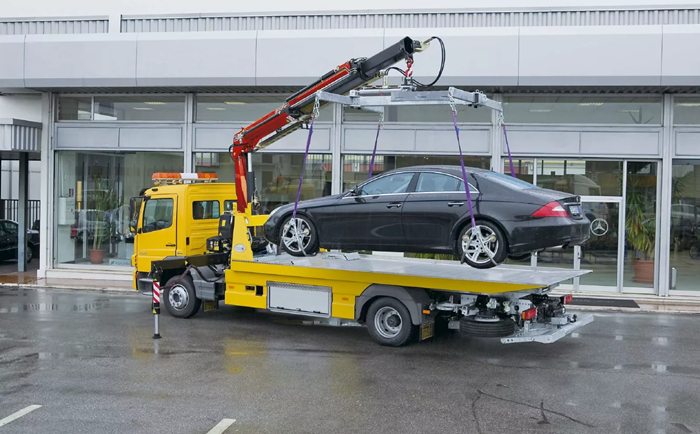
Car towing is an important process that may be necessary in various situations involving traffic violations, technical malfunctions, or accidents. Knowing the basic rules and procedures for towing will help reduce the risk of additional expenses and problems associated with improper actions.
To be prepared and make the right decision in a timely manner, it’s helpful to familiarize yourself with the recommendations and nuances of the process.
Car towing: practical recommendations and features
Before calling a towing service, it’s important to ensure that your vehicle truly needs to be towed and is in a safe position to perform the procedure. You should check that you have all the necessary documents, such as registration and insurance, and provide your contact information. It is also recommended to describe the vehicle’s location to the specialists to avoid delays during the towing process.
When preparing for a tow, certain rules must be followed to avoid damage to the vehicle and ensure the safety of all involved. It is important to choose the correct anchor point for the cable or straps, avoiding sharp edges or structural elements that could damage the body. It is also recommended to remove items from the vehicle’s interior to reduce the risk of damage during transportation.
Practical Tips and Features of the Towing Process
- Choosing a Towing Company: It is recommended to use only licensed and verified specialists to avoid fraud and unauthorized actions.
- Vehicle Inspection: Before towing, ensure there is no risk of damage or gas leaks, and warn the employee about possible transportation features.
- Ensuring Safety: When loading the vehicle, keep unauthorized persons away from the tow truck, maintain a safe distance, and avoid dangerous situations.
- Process Monitoring: While nearby, monitor the actions of the specialists and, if necessary, clarify the details of the procedure to avoid misunderstandings.
Assessing the Situation and Initial Actions if a Vehicle Needs Towing
If a situation arises that requires vehicle towing, it is important to quickly and accurately assess the circumstances. It’s important to determine the reason for the need for towing, such as a breakdown, accident, or improper parking. Consider the vehicle’s location, the presence of obstacles or hazards, such as congestion, hazardous road sections, or the risk of further damage. Assessing the situation allows you to choose the safest and most effective actions.
Once the situation has been assessed, initial steps should be taken to ensure safety and organize the towing. First and foremost, turn on the hazard warning lights (hazard warning lights, headlights, and flares) and, if necessary, install warning signs or warning ropes. Next, it’s recommended to contact the appropriate authorities: road service, traffic police, or a towing company. While waiting for specialists, it’s important to maintain a safe distance, avoid unnecessary movements, and not block the road or passage for other road users.
Legal aspects: paperwork and coordination with the towing service
Before commencing the towing, it’s recommended to ensure that all necessary permits and protocols are in accordance with regulatory standards. This includes the vehicle registration certificate, proof of ownership, and an inspection report and recording of the reason for the towing, if necessary.
Key Steps for Documentation and Interaction with the Towing Service
- Obtaining permission for towing. In some cases, prior approval from the responsible authorities or the vehicle owner is required.
- Documenting the reason for the towing. In the event of an illegal stop or other traffic violation, it is necessary to document the reasons for the towing (photos, video recordings, witness statements).
- Agreeing on vehicle delivery with the towing service. The owner is advised to retain all notification forms, invoices, and receipts confirming the vehicle’s delivery.
- Recording the results of the towing. Upon arrival at the scene, it is necessary to check the correct execution of protocols, reports, and other documents issued by service employees.
Knowledge of and compliance with legal aspects during the towing of a passenger car ensures the legality of the procedure and reduces the risk of potential disputes. Careful document preparation and timely coordinating with the towing service and properly communicating with the relevant authorities will ensure a quick and hassle-free vehicle return. Follow the established rules and retain all documents to protect your rights and interests.
Hello!! My name is Jeanine
I love to eat, travel, and eat some more! I am married to the man of my dreams and have a beautiful little girl whose smiles can brighten anyone’s day!