




What to expect from cryptocurrency and key features worth knowing
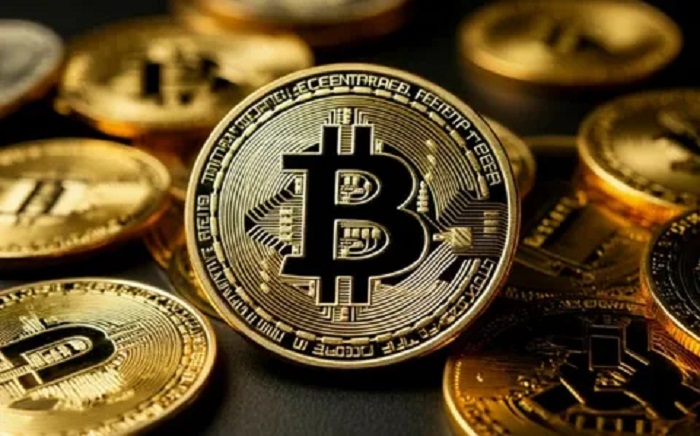
Cryptocurrency remains one of the most notable phenomena in the modern financial market. In a relatively short period, digital assets have evolved from a technological experiment into tools used for investment, payments, storing value, and creating new financial services. However, the cryptocurrency intokened market differs significantly from traditional financial instruments and requires an understanding of its specific characteristics.
What is cryptocurrency?
Cryptocurrency is a digital asset that exists primarily in electronic form. Distributed ledger technologies, including blockchain, are used to record transactions and verify transfers. Unlike conventional currency, the issuance and circulation of many cryptocurrencies are not controlled by a single central issuer.
Bitcoin remains the most well-known example, though the modern market includes a vast array of other digital assets. These assets vary in their purpose, operating principles, issuance mechanisms, and potential applications.
Cryptocurrencies regulation map are used for more than just making transfers; they serve as the foundation for various digital services, decentralized applications, and financial instruments. Specific capabilities depend on the features of each individual project.
Key characteristics of digital assets
High price volatility is a hallmark of the cryptocurrency market. The value of digital assets can fluctuate significantly over short periods due to factors such as:
- supply and demand;
- news;
- regulatory changes;
- the state of the global economy, etc.
Another characteristic is the round-the-clock nature of trading. Unlike traditional exchanges with set operating hours, many cryptocurrency platforms operate without weekends or holidays. This ensures constant market access but also means that price changes can occur at any time.
Digital asset storage plays a crucial role. Special wallets are used to manage cryptocurrency, and access to funds relies on private keys or other authentication methods. Losing access to a wallet or disclosing confidential data to unauthorized parties can result in a loss of control over the assets.
Hello!! My name is Jeanine
I love to eat, travel, and eat some more! I am married to the man of my dreams and have a beautiful little girl whose smiles can brighten anyone’s day!