



What causes burning smells after braking
A burning smell after braking is never something drivers should ignore. While it may occasionally occur after unusually heavy braking, a persistent burning odor often indicates excessive heat or a problem within the braking system. Identifying the cause early can prevent expensive repairs and help maintain safe stopping performance.
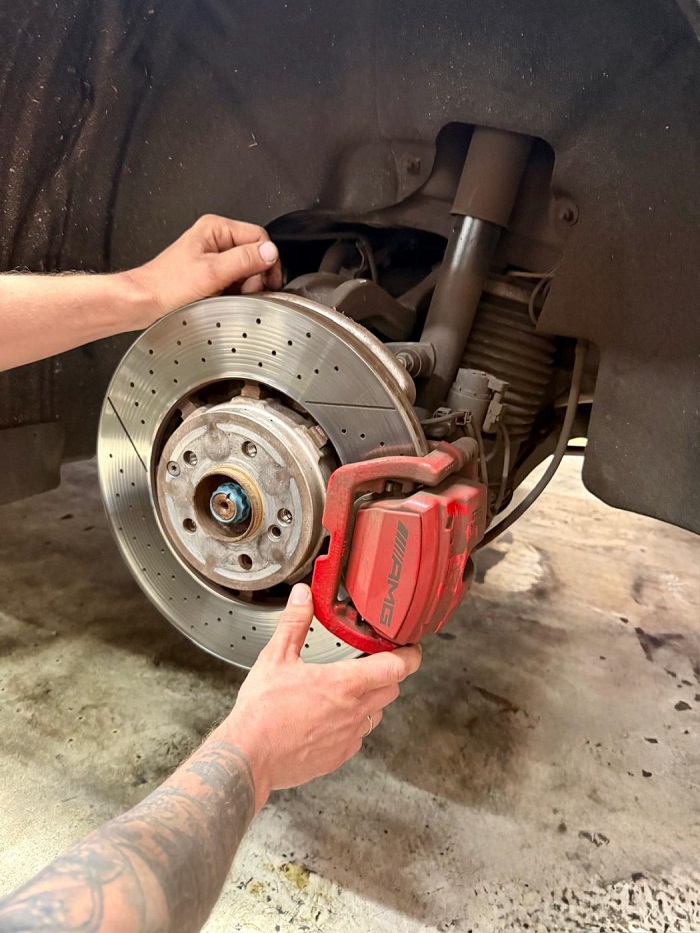
If you notice unusual odors while driving, it’s important to have your Brake Disc in Santa Clara and the rest of the braking system professionally inspected before the issue becomes more serious.
Why Brakes Produce Heat
Every time you apply the brakes, friction is created between the brake pads and brake discs. This friction converts the vehicle’s kinetic energy into heat, allowing the car to slow down safely.
Under normal conditions, brake components cool quickly. However, when excessive heat builds up, drivers may begin to notice a burning smell coming from one or more wheels.
Heat is affected by:
- Driving conditions
- Brake component condition
- Vehicle weight
- Driving habits
- Outside temperature
1. Overheated Brake Pads
Brake pads naturally become hot during braking, but excessive temperatures can cause the friction material to overheat.
Overheated brake pads may produce:
- A sharp burning odor
- Reduced braking performance
- Brake fade
- Faster wear
Repeated overheating shortens brake pad life and can affect other brake components.
2. Worn or Damaged Brake Discs
A worn Brake Disc in Santa Clara may not dissipate heat efficiently.
Damaged brake discs can develop:
- Hot spots
- Warping
- Uneven contact surfaces
- Excessive friction
These problems increase operating temperatures and may produce noticeable burning smells during or after braking.
3. Sticking Brake Calipers
Brake calipers should release the brake pads immediately after you remove your foot from the brake pedal.
If a caliper sticks, the brake pads remain pressed against the brake disc.
This causes:
- Constant friction
- Continuous heat buildup
- Burning odors
- Rapid brake wear
- Lower fuel efficiency
Sticking calipers should be repaired promptly to avoid further damage.
4. Riding the Brakes
Some drivers unknowingly keep slight pressure on the brake pedal while driving.
This habit creates constant friction between the brake pads and discs, resulting in:
- Excessive heat
- Premature brake wear
- Burning smells
- Reduced braking efficiency
Maintaining proper driving habits helps reduce unnecessary brake temperatures.
5. Heavy Stop-and-Go Traffic
Frequent braking in congested traffic prevents brake components from cooling properly.
City driving often results in:
- Continuous heat cycles
- Faster brake wear
- Increased brake temperatures
- Greater stress on brake discs
Drivers who regularly commute through heavy traffic should schedule brake inspections more frequently.
6. Driving Down Long Hills
Extended downhill driving requires repeated braking to control vehicle speed.
Continuous braking may overheat:
- Brake pads
- Brake discs
- Brake fluid
- Calipers
Using lower gears when appropriate can reduce stress on the braking system.
7. New Brake Components
Sometimes a slight burning smell appears shortly after installing new brake pads or brake discs.
During the break-in process:
- Protective coatings burn away.
- New friction materials settle into place.
- Components begin matching each other.
This temporary smell usually disappears after normal driving. However, if it continues, the brakes should be inspected.
Other Possible Causes of Burning Smells
Although brakes are a common source, burning odors may also come from:
- Oil leaks contacting hot engine parts
- Worn drive belts
- Electrical issues
- Clutch components in manual vehicles
A professional inspection can determine the exact cause.
Warning Signs That Require Immediate Attention
Seek brake service if the burning smell is accompanied by:
- Smoke near the wheels
- Brake warning lights
- Grinding noises
- Soft brake pedal
- Vehicle pulling while braking
- Vibrations during braking
- Longer stopping distances
These symptoms may indicate a serious brake system problem.
How to Prevent Brake Overheating
Drivers can reduce brake temperatures by:
- Braking smoothly
- Keeping a safe following distance
- Avoiding unnecessary hard stops
- Replacing worn brake pads promptly
- Inspecting brake discs regularly
- Scheduling routine brake maintenance
Preventive care helps extend the life of every brake component.
Professional Brake Inspection at One Nation Auto
A burning smell after braking should never be ignored because it often indicates excessive heat or a mechanical issue.
At One Nation Auto, experienced technicians inspect every Brake Disc in Santa Clara, along with the brake pads, calipers, brake fluid, brake lines, and the complete braking system. Their thorough inspections identify overheating, uneven wear, sticking components, and other issues before they become major repairs.
Whether your vehicle needs a minor brake adjustment or a complete brake service, One Nation Auto provides dependable diagnostics, quality repairs, and trusted automotive expertise.
Benefits of Regular Brake Maintenance
Routine brake service helps:
- Improve braking performance
- Reduce brake temperatures
- Extend brake disc life
- Prevent costly repairs
- Improve driving safety
- Increase component reliability
- Protect new brake pads
Regular maintenance keeps your braking system operating at its best.
A burning smell after braking is often a warning that excessive heat is affecting your braking system. Worn brake pads, damaged rotors, sticking calipers, heavy traffic, and poor driving habits can all contribute to overheating.
Regular inspection of your Brake Disc in Santa Clara allows problems to be identified early before they lead to expensive repairs or unsafe driving conditions. With professional brake service from One Nation Auto, you can keep your braking system performing safely and reliably every time you get behind the wheel.
Hello!! My name is Jeanine
I love to eat, travel, and eat some more! I am married to the man of my dreams and have a beautiful little girl whose smiles can brighten anyone’s day!