



Custom apparel trims: metal zip sliders, denim buttons, eyelets and rivets
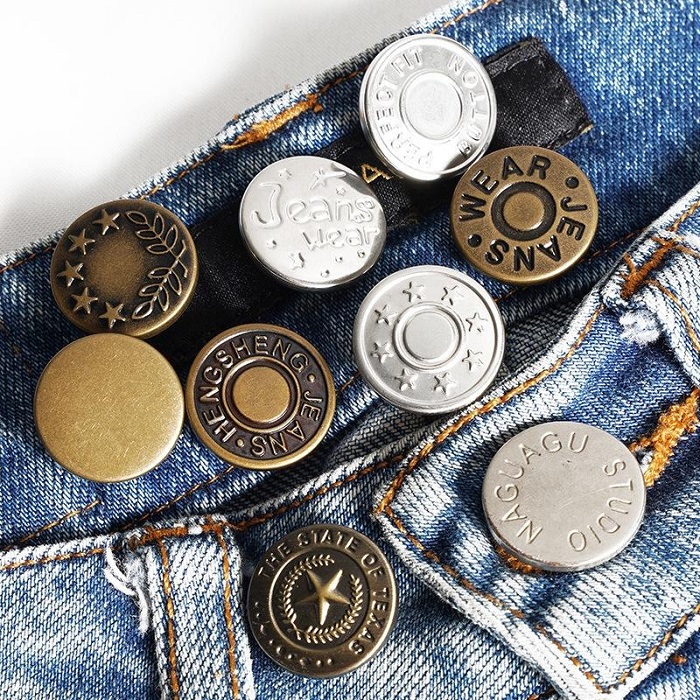
Look closely at a well-made jacket or pair of jeans and you will notice details that are not fabric: the zip pull, the buttons, the eyelets, the rivets. These are trims, and when they carry your logo or a signature finish, they turn a good garment into a recognizable one. Custom trims used to be reserved for large brands with big orders, but studios like https://koskastudio.com have started accepting orders for custom apparel trims designed around an individual brand.
What are apparel trims?
Trims are all the components added to a garment beyond the main fabric. They include functional hardware, such as zippers, buttons and eyelets, and branding elements such as labels, hangtags and packaging. Each one affects how the product looks, feels and works.
Metal hardware you can customize
- Zip sliders: custom metal pullers with your logo or a unique shape.
- Denim buttons: engraved or embossed buttons for jeans and jackets.
- Metal eyelets: reinforced holes for drawcords, bags or footwear details, in custom finishes.
- Rivets: small metal fasteners that reinforce stress points and can carry a stamped logo.
Custom hardware repeats your identity every time someone zips, buttons or opens a garment.
Finishes and colors
Metal trims can be finished in different colors and textures, such as polished, matte or antique looks, and dye finishes are available for other components. A custom finish helps hardware match your brand palette and sets it apart from stock parts.
Labels, hangtags and packaging
Woven labels, printed labels, hangtags and packaging trims are the most visible branding elements. They are often the first thing a customer touches. Consistent design across labels, tags and packaging makes the whole product feel intentional.
From idea to finished trim
A typical process looks like this:
- Share your logo or concept and the type of trim.
- A technical design is prepared, showing dimensions, shape and finish.
- You review and approve the design before production.
- The trims are produced and delivered ready for use in your garments.
Custom trim production usually works with larger quantities than embroidery or blank garments, with runs starting around 500 pieces, because each component needs its own tooling.
Tips for briefing a studio
- State the trim type, size and where it will be used.
- Provide your logo in vector format.
- Describe the finish you imagine, with reference photos if possible.
- Mention the expected quantity and the deadline.
Why work with a single studio
Trims often need to coordinate with garments, labels and packaging. A studio that manages the whole process, from technical design to final delivery, spares you from sourcing and checking each component separately.
Details like these separate a basic garment from a considered product. Planning custom trims early gives your brand a distinctive finish that customers can feel.
Hello!! My name is Jeanine
I love to eat, travel, and eat some more! I am married to the man of my dreams and have a beautiful little girl whose smiles can brighten anyone’s day!